
How Much Protein Should You Consume Daily for Optimal Muscle Development?

Updated: Aug 17
Building muscle requires more than just lifting weights. Nutrition plays a crucial role, and protein is often called the building block of muscle. But how much protein do you actually need each day to see real muscle growth? This post breaks down the science behind protein intake, the best sources you can find at the grocery store, and how timing your protein meals might impact your progress.

How Much Protein Per Day Is Enough?
The amount of protein you need depends on your body weight and your muscle-building goals. Research suggests that consuming between 0.7 to 1 gram of protein per pound of bodyweight daily supports muscle growth effectively. For example, if you weigh 150 pounds, aim for 105 to 150 grams of protein each day.
This range covers most active individuals who want to build muscle, whether you’re a beginner or more advanced lifter. Eating less than this can slow muscle repair and growth, while going significantly above it usually doesn’t provide extra benefits and may just add unnecessary calories.
Why Protein Matters for Muscle Growth
Protein provides amino acids, the essential components your body uses to repair and build muscle tissue after workouts. Without enough protein, your muscles can’t recover fully, which limits strength gains and hypertrophy.
A high protein diet also helps maintain muscle mass during fat loss phases, making it easier to get lean without losing hard-earned muscle. Plus, protein has a higher thermic effect than fats or carbs, meaning your body burns more calories digesting it, which can support body composition goals.
Best Protein Sources from the Grocery Store
Choosing the right protein sources is key to meeting your daily needs without feeling bored or overwhelmed. Here are some top picks you can find easily:
Chicken breast: Lean, versatile, and packed with protein (about 26g per 3 ounces cooked)
Eggs: Affordable and nutrient-dense, with about 6g protein per egg
Greek yogurt: High in protein and probiotics, roughly 15-20g per cup
Canned tuna or salmon: Convenient and rich in omega-3s, around 20-25g per 3 ounces
Lentils and beans: Great plant-based options with fiber and about 18g per cooked cup
Cottage cheese: Low-fat versions offer 14g protein per half cup
Lean beef: Provides iron and B vitamins, with about 22g protein per 3 ounces
Mixing animal and plant proteins can give you a broader range of nutrients and keep meals interesting.
Does Protein Timing Matter?
Many wonder if eating protein immediately after a workout is essential for muscle growth, which is known as the anabolic window. While there is some benefit to consuming protein within a few hours post-exercise, recent studies show that total daily protein intake matters more than exact timing.
That said, spreading your protein intake evenly across meals (for example, 25-40 grams every 3-4 hours) can help maintain muscle protein synthesis throughout the day. This approach supports steady muscle repair and growth.
If you train early in the morning or late at night, including a protein-rich snack around your workout can be helpful but isn’t mandatory.
To see an explanation of why the anabolic window does not matter as much as you think, watch this breakdown video by Dr. Layne Norton.
Video Content: "Timing Your Protein Right? New Research on the Anabolic Window" by Dr. Layne Norton, PhD (Biolayne). Used for educational demonstration of muscle protein synthesis and nutrient timing research.
Signs You Might Be Under-Eating Protein
If you’re not eating enough protein, your progress in the gym may stall. Watch for these signs:
Slow muscle recovery: Soreness lasts longer than usual
Loss of muscle mass: Clothes feel looser or strength decreases
Increased hunger: Protein helps you feel full; without enough, you may feel hungry often
Fatigue or low energy: Protein supports overall health and energy levels
Frequent illness: Protein supports immune function, so low intake can weaken defenses
If you notice these symptoms, review your diet and consider increasing your protein intake.
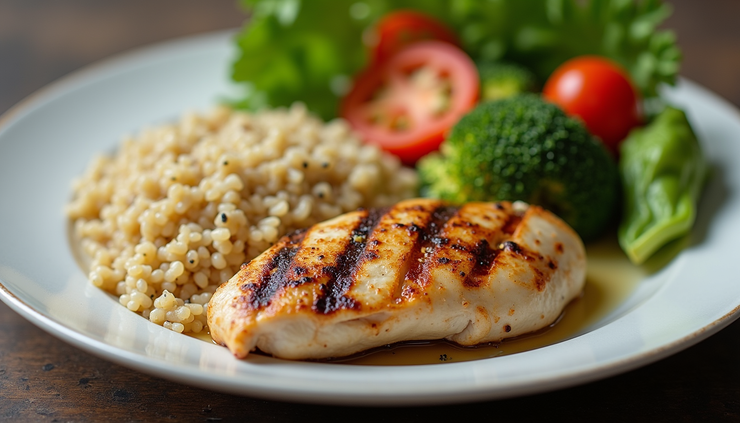
Practical Tips to Meet Your Protein Goals
Plan meals around a protein source first, then add carbs and fats.
Use snacks like Greek yogurt, nuts, or protein shakes to fill gaps.
Cook in bulk to save time and ensure you have protein ready.
Experiment with different protein sources to avoid boredom.
Track your intake for a few days to see if you meet your target.
Summary: Protein and Muscle Building
The post argues that muscle growth needs roughly 0.7–1g of protein per pound of bodyweight per day (105–150g for a 150 lb person) — below this range slows recovery, above it gives little extra benefit. Protein supplies the amino acids muscles need to repair and grow, helps preserve muscle during fat loss, and burns more calories to digest than carbs or fat.
It recommends a mix of accessible sources — chicken, eggs, Greek yogurt, fish, lentils/beans, cottage cheese, lean beef — to hit that target without boredom.
On timing: total daily intake matters more than eating protein right after a workout, though spreading intake into 25–40g doses every 3–4 hours helps sustain muscle protein synthesis.
It also flags warning signs of under-eating protein (slow recovery, muscle loss, constant hunger, fatigue, getting sick often) and ends with practical tips: build meals around a protein source first, use easy snacks to fill gaps, batch-cook, and track intake for a few days to check you're hitting your number.
Need Extra guidance?
Works Cited & Scientific Verification
Morton, R. W., Murphy, K. T., McKellar, S. R., Schoenfeld, B. J., Henselmans, M., Helms, E., Aragon, A. A., Devries, M. C., Banfield, L., Krieger, J. W., & Phillips, S. M. (2018). A systematic review, meta-analysis and meta-regression of the effect of protein supplementation on resistance training-induced gains in muscle mass and strength in healthy adults. British Journal of Sports Medicine, 52(6), 376–384. Link to Resource
Schoenfeld, B. J., Aragon, A. A., & Krieger, J. W. (2013). The effect of protein timing on muscle strength and hypertrophy: A meta-analysis. Journal of the International Society of Sports Nutrition, 10(1), 53. Link to Resourcekhjvb. Link to Resource
Schoenfeld, B. J., & Aragon, A. A. (2018). How much protein can the body use in a single meal for muscle-building? Implications for daily protein distribution. Journal of the International Society of Sports Nutrition, 15(1), 10. Link to Resource

Comments